The Question Every Father Answers
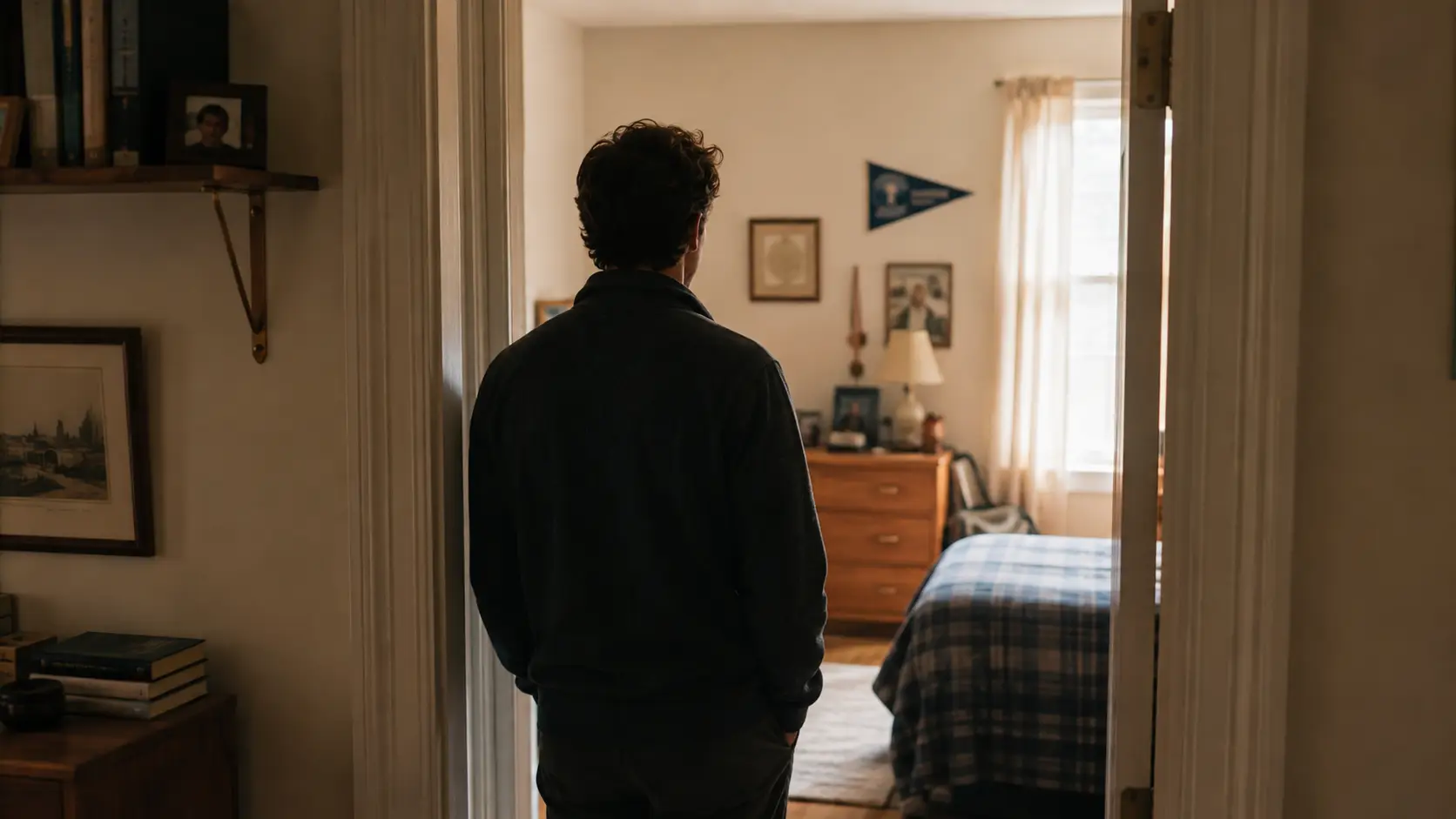
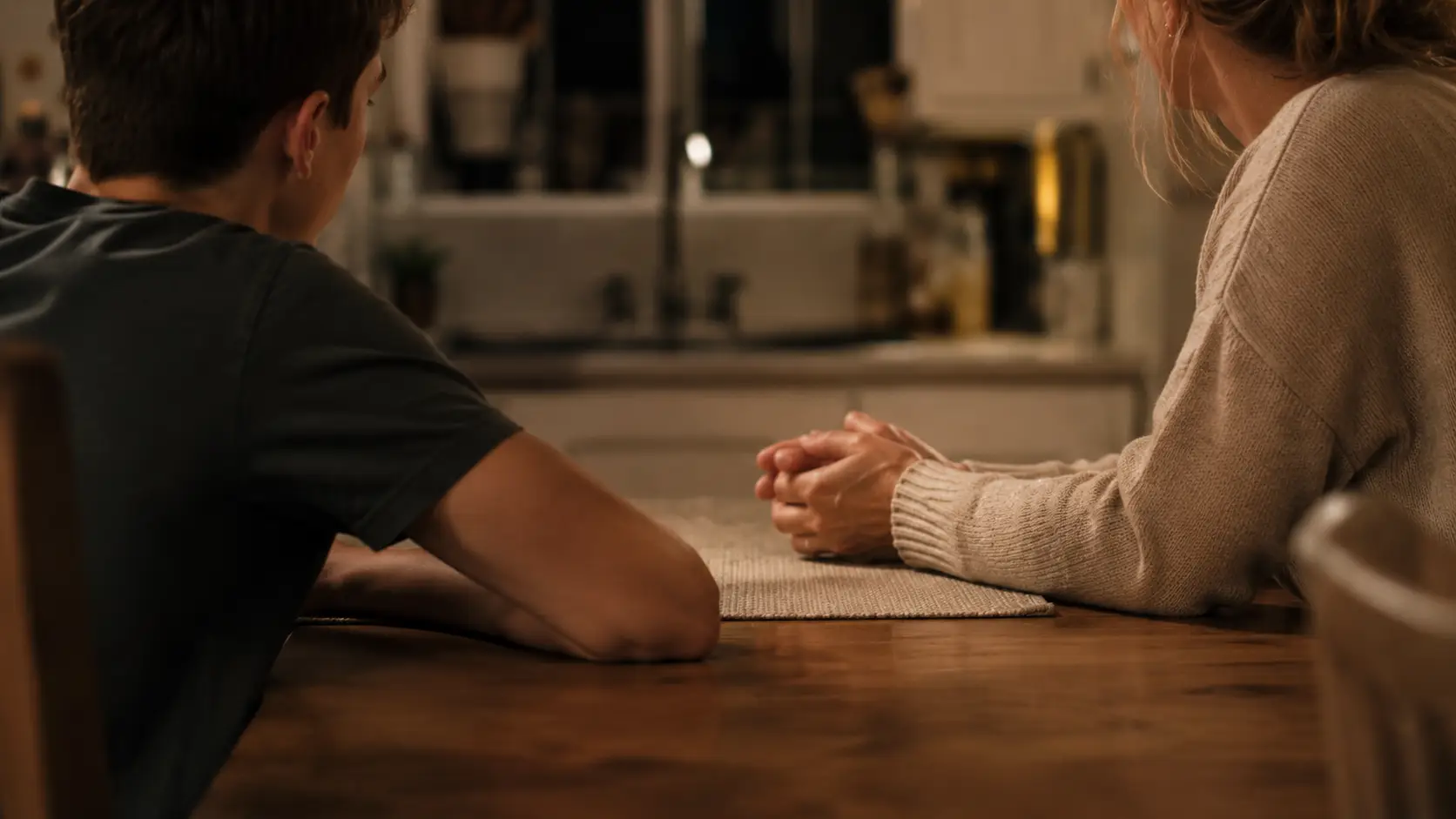
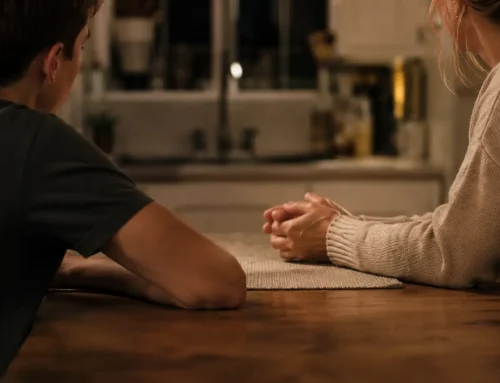
The disagreement usually arrives at the table. A grown child comes home carrying a conviction the father doesn’t share — about God, or money, or the country, or how a person ought to live — and says it out loud, and the room changes temperature before anyone has decided anything. Everyone feels it. The father feels it most, because the thing being contradicted is not just an opinion. It is something he built a life around, and it is being questioned by a person he made.
What he does in the next thirty seconds will teach his child more than anything he has ever said on the subject.
The greeting cards this month tell a simpler story. They thank fathers for their wisdom, their steadiness, the lessons handed down clean from one generation to the next. There is real gratitude in that, and it isn’t wrong. But it isn’t the whole account, and the part it leaves out is the part that does the most work. Much of what a father transmits, he transmits without meaning to, in moments he would never have chosen as teaching moments. And the lesson that lands deepest is rarely the content of his convictions. It is what he does when those convictions are not shared.
Every father, whether he intends to or not, answers one question for his children, again and again, across years. Is being disagreed with the same as being betrayed?
The father who treats contradiction as an attack answers it one way. His certainty hardens, his voice drops or climbs, the conversation becomes a thing to be won. The child learns, without being told, that love in this house is conditional on agreement. So the child adapts. Some learn to hide what they think. Some learn to perform a version of themselves their father can approve of. Some stop coming to the table at all. None of these children have stopped loving their father. They have simply learned that the price of being loved is not saying what is true for them, and they will carry that lesson into rooms their father will never see.
The father who can hear his child say something he believes is wrong, and stay — not concede, not pretend, but stay — answers the question differently. He teaches that a child can be wrong in his father’s eyes and still belong there. That disagreement is survivable. That the relationship is larger than the argument running through it.
There is a reason the table heats up as fast as it does. The same nervous system that kept our ancestors alive reads a sharp contradiction from someone we love as a kind of danger, and it floods the body with the chemistry of threat before the thinking mind has formed a sentence. The father who manages to stay in the room is not a man who feels none of this. He is a man who has felt the alarm fire and chosen, in that moment, not to let it run the conversation. He is, to borrow an image, the one who has taken his hand off the stove while the heat is still rising.
This works in every direction, which is the part worth being honest about. Sometimes the child comes home more devout than the father, sometimes less. Sometimes more conservative, sometimes more progressive. The specifics change nothing about the dynamic. The question is never really which of them is right about the thing they’re fighting over. The question is whether the bond between them can withstand a real difference. Human Flourishing does not take the side of the father’s convictions or the child’s. It takes the side of the two of them still being at the same table next year.
None of this is an argument for abandoning conviction. The father who nods along to keep the peace teaches his own quiet lesson — that truth is negotiable for the sake of comfort, that the way to be loved is to stop saying what you think. Keeping the peace and staying in the room are not the same act. The first asks someone to disappear. The second lets the child stay fully present, and lets the father stay too, both of them still themselves, still in disagreement, still seated across from each other. That is harder than winning and harder than surrendering, and it is the only version that leaves anything intact.
What it asks of a father is unglamorous and specific. To get curious about what his child actually means before deciding what he thinks of it. To want to understand the position before he sets out to correct it. To stay long enough to find out what his child is afraid of losing, which is usually the thing underneath the argument and almost never the argument itself. These are not soft skills or sentimental gestures. They are the difference between a child who keeps coming home and one who learns to manage the relationship from a safe distance.
The children at these tables are watching more closely than they let on. They are learning the answer to a question they will carry into every marriage, every workplace, every argument they will ever have with someone they cannot afford to lose: whether people who love each other can disagree and remain. A father answers it a hundred times before his child is grown, mostly without noticing he is answering anything. He rarely knows which of the hundred times is the one his child will remember.
It is, in the end, close to what this whole effort asks of everyone — to stay in the room with the people we see differently, and to let understanding come before persuasion. Fathers just get asked the question first, and by the people whose answer matters most.
This Father’s Day, the work is smaller and larger than a card. It is the next time the temperature rises at your table, and you decide what your staying or leaving will teach.
Stay close to the conversation
We send a weekly digest of new posts community updates, plus essays, and events.
Sign up to stay in the loop.