The Conversation You’ve Been Avoiding
On the holiday table and its reputation
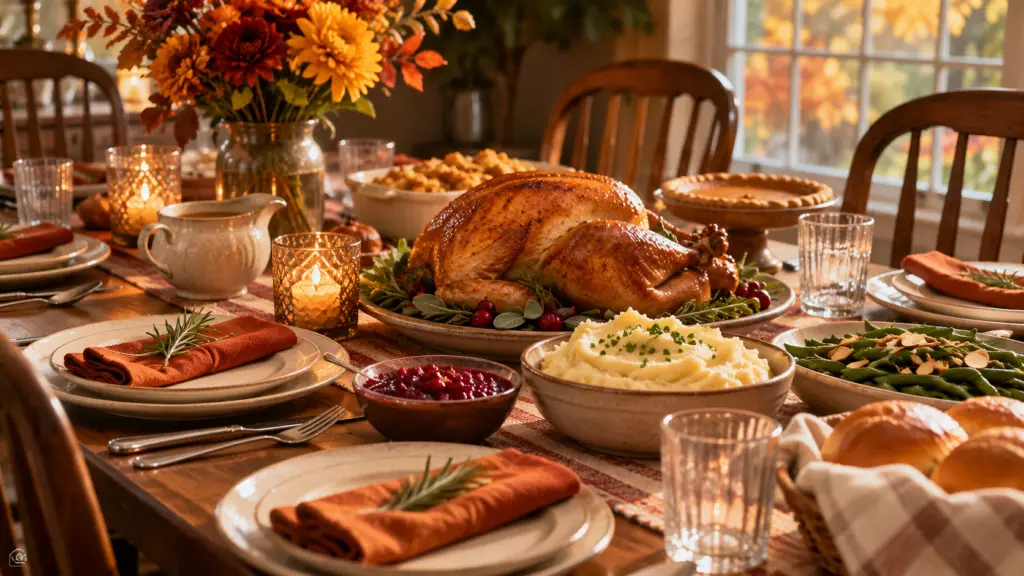
The holiday table has a reputation. In the standard version, someone brings up the election before the potatoes have gone around, and by dessert two relatives aren’t speaking.
It makes a good story. It’s also rarer than its reputation. YouGov asked Americans last November whether they expected arguments about politics at their Thanksgiving celebration, and counted 11 percent who did.
Most tables stay peaceful. Part of the reason, I suspect, is that we’ve quietly agreed to keep them that way. We cover the drive, the kids, the weather, and whether the turkey came out dry, and we steer around the one subject everybody can feel. The more common holiday challenge is the conversation that never starts.
That silence has valid reasons behind it. These are people we love, and nobody wants to be the one who ruined dinner. Somebody at that table has also been prepping and cooking all day … and I can vouch that the cook’s capacity for a potentially challenging conversation is low by the time everyone sits down.
The challenge comes when we have conversations with people we love, people we don’t often understand or see eye to eye with … about topics that matter enormously. Thanksgiving seats all of them at one table.
The other reason we skip the conversation is that we assume we already know how it will go. Our Field Guide has a scene about that.
A father’s daughter tells him she’s leaving a steady job to start something of her own. The fear reaches him before a thought does, and it comes out as a verdict:
That’s a mistake.
He watches her face close. Then he does something small and difficult. He stops, and he asks her what she sees that he doesn’t.
She tells him. She has been planning this for two years. She has savings, a first client, and a way back if it fails. The reckless leap he was ready to talk her out of was one he had built himself, out of his own fear.
They don’t finish the conversation agreeing. He still thinks the risk is real, and he says so. This time she can hear him.
The father assumed he knew how the conversation would go. A lot of us assume the same about the relative across the table.
Sometimes we don’t see eye to eye with the people we love. Sometimes we just don’t understand them yet. Those two can feel identical, and asking is how we find out which one we’re in.
In the stereotype, the conversation is a fight, and a fight needs a winner. The Practice of Dialogue has a different finish line. Its seventh beam says the goal is to see more clearly, and disagreement is often the way there. Two people can see each other more clearly without ever seeing eye to eye.
The stereotype gets one thing right. The table is a poor place for it. A dining room full of relatives is a hard place to ask a real question, and the person you love deserves better than an audience. A holiday also comes with a sink full of dishes and a long drive to the airport.
One question is enough to begin. The father’s will do: “What are you seeing that I’m missing?” Then comes the listening.
It may take more than one try. Some of these conversations take years, and going back is part of how they work.
If you’d like help getting ready, we built something for this. The One Conversation Challenge is a week of short daily steps toward a single conversation you’ve been avoiding.
If someone came to mind while you were reading, that’s the one.
Happy Thanksgiving.

Stay close to the conversation
We send a weekly digest of new posts community updates, plus essays, and events.
Sign up to stay in the loop.