The Value of Appreciation
Originally published on Psychology Today:
Which is worth more: a million dollars today or a penny that doubles each day for 30 days?
At first, the million looks like the obvious choice.
The penny begins at one cent on day one and doubles each day afterward. By day 10, the balance is a measly $5.12. By day 20, the balance reaches a meager $5,242.88. By day 30, it reaches $5,368,709.12, more than five times the lump sum.
That is the power of compounding. Small beginnings can be easy to underestimate; early progress can look almost insignificant.
Everyday life also offers valuable moments that are easy to overlook: a small gesture of kindness, a moment of connection worth savoring, a heartfelt moment of gratitude.
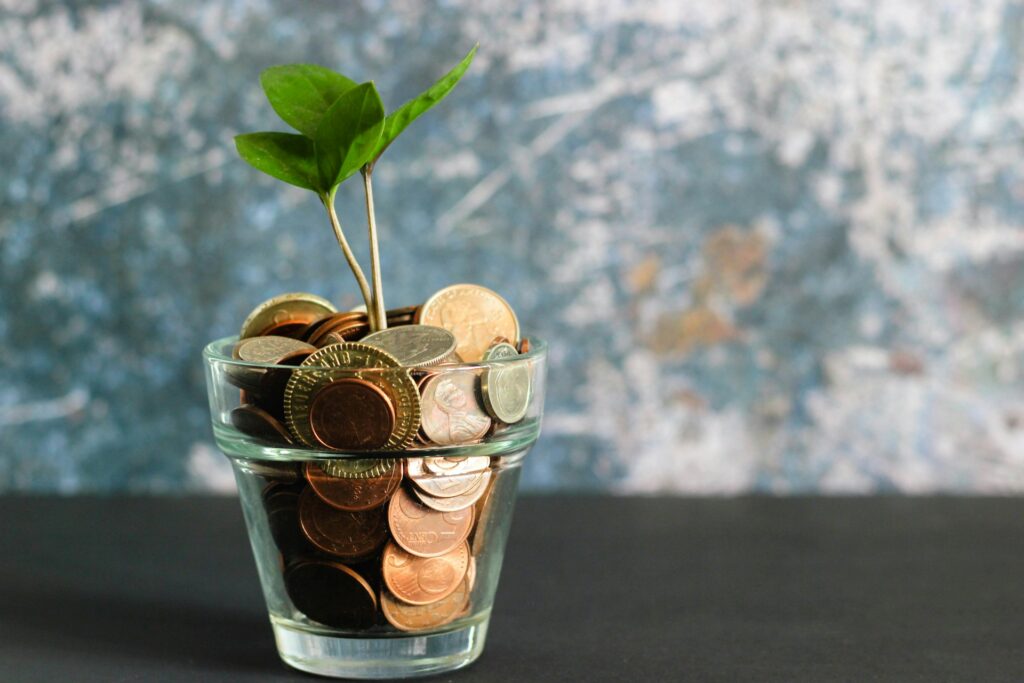
These are psychological pennies: small acts of appreciation that are easy to take for granted but are worth repeating in pursuit of the good life. The invitation is to make appreciation a regular practice, rather than reserve it for one extraordinary occasion.
What people usually think of as extraordinary is not likely to happen every day. Small reasons for gratitude offer more frequent opportunities to experience the benefits of appreciation. Waiting for something extraordinary can lead people to overlook the value already present in their lives.
Appreciation Has Two Complementary Meanings
Psychologists Mitchel Adler and Nancy Fagley define appreciation as “acknowledging the value and meaning of something—an event, a person, a behavior, an object—and feeling a positive emotional connection to it.” They identify eight aspects of appreciation, including gratitude, appreciation of the present moment, and awe.
In finance, appreciation means an increase in value. A home or stock portfolio appreciates when its price rises.
The connection is a useful metaphor for psychological wealth. Recognizing value can increase the value people experience. An ordinary conversation with a friend can feel richer when someone recognizes the gift of having that person in their life. An ordinary afternoon can feel extraordinary when a person pauses to appreciate being alive and the opportunity to spend time with someone they love. In this sense, recognizing the value already present in relationships and experiences can increase how rich life feels.
Finding Awe
In a 2012 study of 243 participants, psychologist Nancy Fagley found that appreciation was associated with greater life satisfaction. Awe offers one way to practice appreciation in ordinary life. Awe involves a sense of vastness that challenges a person’s usual understanding of the world.
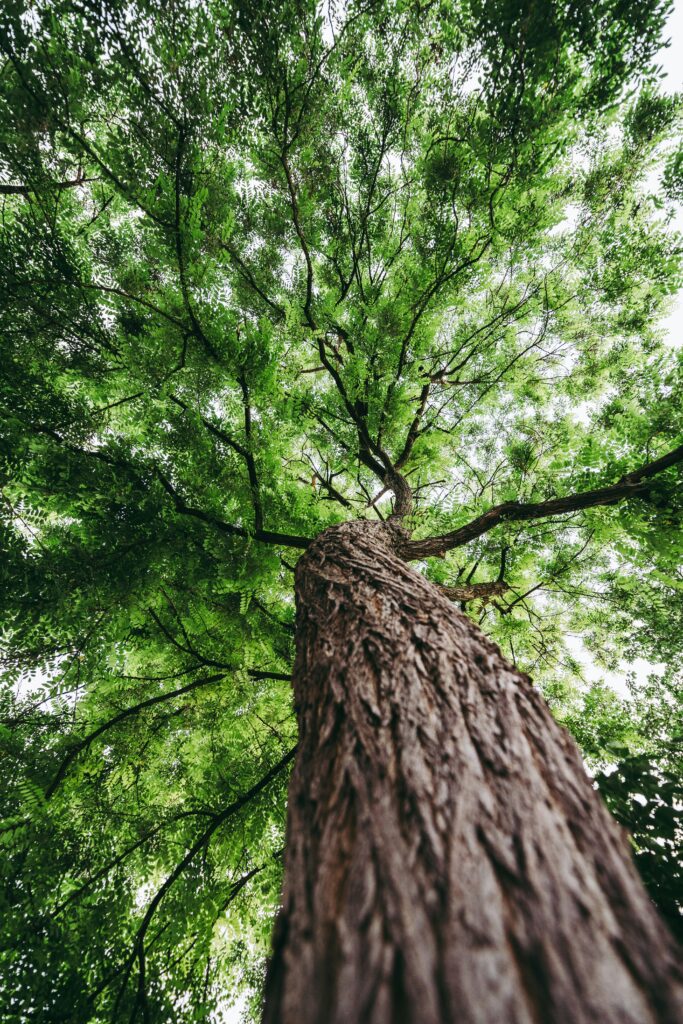
A person does not necessarily need to visit the Grand Canyon or the Himalayas to experience awe. Someone might pause to consider the complexity of a living tree, witness an act of kindness, or feel a profound sense of wonder at a heart that keeps beating without conscious instruction.
In a small randomized study, psychologist Virginia Sturm and colleagues asked adults to take weekly 15-minute outdoor walks for eight weeks. One group also received instructions to approach their surroundings with wonder and seek out novelty. Compared with the control group, which received the walking assignment without those additional instructions, those encouraged to seek wonder and novelty reported greater increases over time in daily positive emotions involving connection with others.
Three Psychological Pennies to Invest Today
To practice appreciation more consistently, choose a familiar activity and consider a more appreciative lens through which to view it.
Give one person your full attention. During a conversation with a friend or loved one, set aside distractions and appreciate the opportunity to spend time together. Listen with interest. When appropriate, let them know you are glad to have them in your life.

Reconsider something familiar. During a routine moment, notice something that is easy to take for granted. At a meal, that might be the nourishment the food provides, the people who made the meal possible, or the pleasure of tasting something you enjoy.
Take a walk with curiosity. During a walk, look closely at something you would usually pass by. Consider the complexity of a living tree, for example, or the scale of the sky above it. Allow time for curiosity and wonder.
The penny that began at one cent reaches $5.37 million by day 30. Psychological pennies can be just as easy to overlook, and compounding them over time may increase your psychological wealth. Small, ordinary moments can be worth doubling down on. Recognizing the value already present in such moments can increase how rich life feels.
The practical idea is to return to such moments throughout the day and appreciate them more fully, rather than postpone appreciation until something extraordinary happens. There is no guaranteed rate of return in life satisfaction, but there are good reasons to invest consistently over the long run.
Those are investments that can be made today, and made again tomorrow.
For more insights on appreciation, awe, and psychological wealth, join my email newsletter at: psychologicalmillionaires.us

Jason Viyar, MAPP, is an author, speaker, and founding board member of Human Flourishing. His work explores the science of well-being and what makes life truly rich. Jason delivered the keynote address at Human Flourishing’s October 2026 Founding Gathering, sharing The Case for Optimism. He is also the author of the forthcoming book The Psychological Millionaire.


Stay close to the conversation
We send a weekly digest of new posts community updates, plus essays, and events.
Sign up to stay in the loop.