Democracy Needs Us to Show Up
On agency, responsibility, and the privilege of having a voice
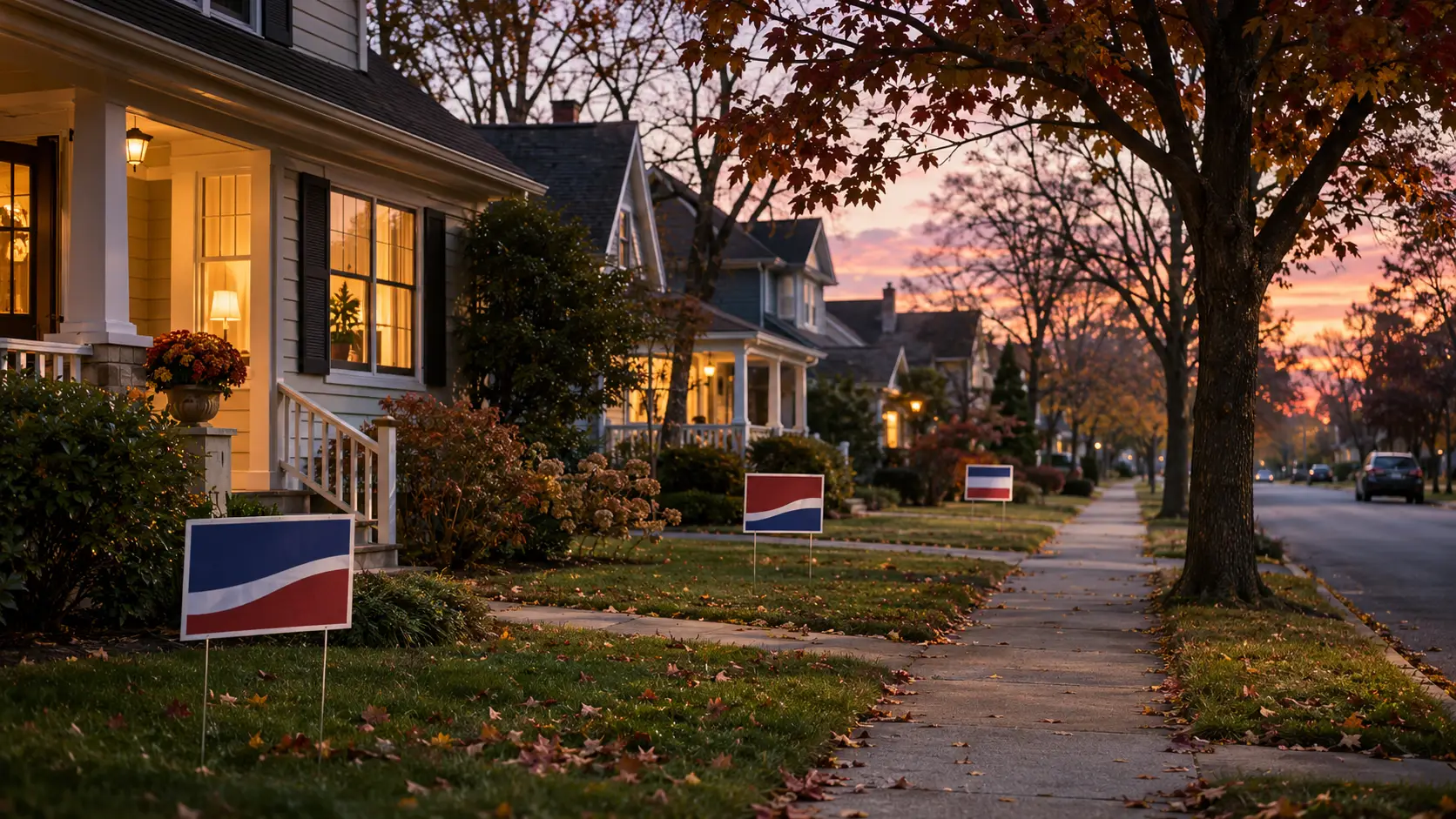
Next week, Americans will go to the polls. We will make choices about the people who represent us, the policies that shape our communities, and the direction of our shared future.
I hope we recognize what an extraordinary privilege that is.
We live in a country where we have a voice in how we are governed. We have the freedom to question those in authority, to challenge ideas, to advocate for change, and to participate in choosing our leaders. These freedoms are foundational to our democracy, and they deserve something from us in return.
They deserve our participation.
Agency Comes With Responsibility
At Human Flourishing, we talk often about agency. We see it as the foundation of hope and optimism because agency begins with the recognition that our choices matter. We have the capacity to act, to influence our circumstances, and to contribute to something beyond ourselves.
Voting is one of the clearest expressions of that agency.
Each of us has a part to play in shaping the communities and institutions we share. Our individual influence may sometimes feel small, especially when we consider the scale and complexity of the challenges facing our country. But democracy has always depended on the participation of ordinary people who believe their voices are worth contributing.
Our agency carries responsibility. We are accountable for what we do with the freedom we have been given, including how thoughtfully we exercise our right to vote.
An Informed Vote Is an Act of Citizenship
Casting a ballot matters. So does the effort we make before we cast it.
We owe it to ourselves and to one another to understand the choices before us. That means learning about the candidates, examining their records and positions, and considering the implications of the propositions and other issues on our ballots.
It means looking beyond campaign advertisements and provocative headlines. It means seeking credible sources, questioning our assumptions, and being willing to discover that something we believed may be incomplete or mistaken.
This requires effort. Some issues are complicated. Some candidates offer competing visions that deserve careful examination. And sometimes the available choices leave us with genuine uncertainty.
We can still approach those decisions with seriousness, humility, and a commitment to understanding as much as we reasonably can.
An informed electorate is something we help create through our own willingness to learn.
We Can Disagree and Still Share This Responsibility
One of the great challenges of democracy is that we share a country with people who see the world differently.
We have different experiences, priorities, beliefs, and ideas about what will best serve our communities. Those differences shape how we evaluate candidates and policies. Even people who share many of the same values may reach very different conclusions about how to put those values into practice.
This is where the Practice of Dialogue becomes so important.
Can we listen seriously to someone whose political conclusions differ from our own? Can we approach disagreement with curiosity? Can we recognize another person’s dignity and good intentions even when we believe they are mistaken?
I believe we can. And I believe the health of our democracy depends, in part, on our willingness to do so.
Participating in democracy requires us to live alongside the outcomes of decisions we may disagree with, to remain engaged, and to continue the work of building a society in which more people can flourish.
Elections matter enormously. So does the way we treat one another before and after them.
The Future Is Ours to Help Shape
At Human Flourishing, we ask a question that guides our work:
What would we build differently if human flourishing were actually the aim?
That question belongs in our civic lives, too.
When we consider the candidates and issues before us, we can ask what conditions will allow people, families, businesses, and communities to thrive. We can consider whose lives will be affected by our decisions, what consequences may follow, and what responsibilities we have to generations who will inherit the world we are shaping.
We may answer those questions differently. But asking them sincerely can help us approach the ballot with a broader sense of purpose.
And that brings me back to agency.
Hope grows when we recognize that the future is something we can help shape. Optimism becomes more credible when it is accompanied by thoughtful action and a willingness to take responsibility for the world around us.
On November 3, we have an opportunity to act.
Please vote.
Before you do, take the time to educate yourself about every candidate and issue on your ballot. Think carefully about what you believe and why. Listen to perspectives that challenge your own. Exercise your judgment and your freedom.
And when the election is over, stay engaged. Our responsibility to one another continues long after the ballots have been counted.
Democracy asks something of us. It always has.
Our agency matters. What we choose to do with it matters. And the future we share is worth our participation.

Stay close to the conversation
We send a weekly digest of new posts community updates, plus essays, and events.
Sign up to stay in the loop.